CBP Feature for September 2026

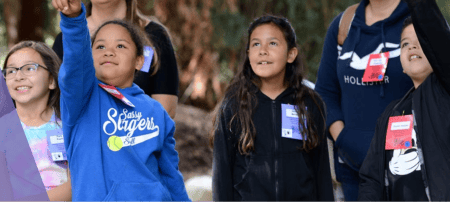
The vision of YES, Nature to Neighborhoods is for Richmond youth, adults and families to lead healthy, connected lives; motivate change in their neighborhoods; and inspire a safe, thriving community. YES Nature to Neighborhoods was founded on the belief that positive experiences in nature are a catalyst for individual and community transformation. Their work focuses on cultivating leadership, increasing access and breaking down barriers for those excluded from the outdoors, reclaiming a connection to the earth, and creating brave spaces that foster cross-cultural relationships. Their organization values inclusion, intentionality, effective communication, integrity, a holistic approach, equity, and diversity.

YES Nature to Neighborhoods offers programs for youth from childhood through young adulthood. The Explorers Program for 8-10 year olds, offers new experiences that nurture children’s leadership skills through hands-on learning in the natural environment. Through after-school workshops and weekend outings, Explorers grow their social- emotional skills and engage in environmental education and critical thinking. Explorers participate in outdoor experiences like learning center visits and one overnight camping trip. They can also participate in YES’s Summer, Family, and Winter camps.
The Rangers Program for youth ages 11-13, continues to build social-emotional and outdoor skills while learning about the natural environment, environmental stewardship, and responsibility to the community. Rangers participate in biweekly workshops and continue to develop a sense of belonging in and connection to the outdoors through adventures like hiking, fishing, kayaking, and camping.

The Adventure Crew for youth ages 11-13, is a 10-month environmental program co-led with the East Bay Regional Park District (EBRPD). While exploring a variety of parks and outdoor landscapes across the region, the group emphasizes challenge-by-choice through a variety of outdoor experiences, culminating in a three-night, self-supported backpacking trip. The Adventure Crew meets every other Saturday, and members may also participate in the Rangers cohort.
The Youth Engagement Team (YET) is a program designed for youth ages 14-15. Teens grow from campers into community role models and advocates. YET members build leadership skills by mentoring younger participants, exploring health and wellness, and leading community improvement projects. YET leaders can also participate in outdoor excursions such as rock climbing, mountain biking, kayaking, hiking, and camping. Through these experiences, they develop and pursue personal goals, become more confident in their voice, learn about local issues, and gain skills to make community improvements.

In the Coastal Conservation Corps, youth ages 16-18, continue to practice stewardship and civic action, learning about environmental justice, climate change, and conservation science, focusing on the health of local waterways. This is done through bi-weekly workshops, educational day and overnight trips, local advocacy, and access to recreation and leadership opportunities. Teens are supported to identify and pursue goals, graduate high school, and access scholarships, internships, and job opportunities to successfully navigate young adulthood and as empowered leaders.
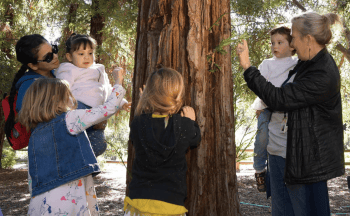
Additionally, YES Nature to Neighborhoods offers Family Camp which cultivates self-awareness, connection to nature, and strong bonds. At Family Camp, parents and caregivers and their children build cross-generational and peer-group relationships, become inspired to engage in their communities, and connect with the solace, joy, adventure, fun, and opportunities for growth that nature provides. 
Visit the YES Nature to Neighborhoods website to learn more about their amazing programs!

News & Events September 2026

1. CAELI Quarterly Meeting


Date: September 2, 20026
Location: Online
Description: We invite you to our next virtual statewide gathering which is a great opportunity to connect, share updates, and collaborate with environmental education leaders across California. Visit the CAELI website for more information. 

Register HERE.

2. California Biodiversity Day


Dates: September 5-13, 20026
Location:  Statewide
Description: You can take part in California Biodiversity Day no matter where you are!  Simply join the Find 30 Species for California Biodiversity Day project in iNaturalist and record 30 wild species between September 5–13. Every observation adds to a statewide picture of California’s amazing biodiversity, and the information we gather together helps inform the  California 30×30 Initiative. Thanks to the Climate Science Alliance, there are some prizes in store for top participants in the project this year!

3. Climate Education and Community Engagement


Dates: September 8 – October 4, 2026
Location: Asynchronous weekly modules + live webinars
Description: This 4-week course offered by the Cornell University Civic Ecology Lab helps educators and community practitioners turn climate concern into clear communication, meaningful learning, and local action. Hundreds of educators, NGO staff, community leaders, and students from around the world typically join our courses, and we would be glad to learn with you.

Register HERE.

4. Outdoor Learning School & Store: Well-being Through Outdoor Learning: Nature Connection & Mental Health


Date: September 15, 2026
Locations: Online
Description: A free virtual workshop for an overview of how educators and healthcare practitioners can better understand and support kids’ mental health through outdoor activities and to learn practical, low-pressure ways to support both student and teacher wellbeing through simple outdoor routines and experiences. This workshop will cover nature as co-therapist, benefits of sensory awareness activities, and how risk and challenge can be leveraged to reduce anxiety. With increasing demands, diverse learning needs, anxious students, and constant curriculum pressures, many teachers are looking for approaches that calm the classroom without adding more to their plate. 

Register HERE.

5. Green California Summit


Date: September 15-16, 2026
Location: Pasadena
Description: This year marks the 20-year anniversary of Green Technology, a momentous milestone that celebrates two decades of advancing sustainability, innovation, and collaboration across California’s public sector. Over the past twenty years, Green Technology has brought together educators, facilities leaders, policymakers, and solution providers to accelerate progress toward healthier environments and more resilient communities. The education sessions will explore how sustainability can be integrated into the curriculum, how environmental literacy can bridge the gap between facilities and the classroom, and how schools can implement best practices both operationally and academically. Participants will also discover funding and grant opportunities available to support sustainability planning and project implementation for schools and higher education institutions.

Register HERE

6.  California Coastal Cleanup Day


Date: September 19, 2026
Location: Statewide
Description: Join your friends and neighbors at California’s largest annual volunteer event to remove trash from across the entire state. Help protect people and wildlife by eliminating plastic pollution before it can cause any more harm. Sponsored by the California Coastal Commission, this marks the 42nd year of the event.

To learn more and to participate, visit the CA Coastal Cleanup Day website.

7. CAELI District Community of Practice


Date: September 24, 2026
Location: Online
Description: The CAELI District Community of Practice (COP) invites district-focused staff from a variety of roles across California to join a statewide network of leaders, educators, and support staff working to advance environmental literacy and sustainability in schools.

Register HERE to register for District Community of Practice meetings.

8. National Public Lands Day


Date: September 26, 2026
Location: Nationwide
Description: Coordinated by the National Environmental Education Foundation (NEEF), National Public Lands Day is a collective act of care that strengthens our connection to the landscape and to each other. It is a day of service as well as an opportunity to give back, build community, and enjoy the public lands that support our health, environment, and well-being. Public lands include national parks, forests, monuments, wildlife refuges, grasslands, marine sanctuaries, lakes, and state, county, and city parks—spaces managed by public agencies or nonprofits and open to all.

This years’ theme is Caring for Our Shared America. Visit the website to learn more.

CAELI Partner Portal Resources September 2026

1. The Climate Education Policy Toolkit


Description: The toolkit is designed with inclusive language to ensure clarity and accessibility for all and to support anyone advocating for educational policies that emphasize climate literacy and action; career readiness and STEM learning, skill development, and healthy and just learning environments. The toolkit objectives include ensuring equitable access and promoting justice; empower organizations and advocates; comprehensive database; and catalyzing impact.

To view or download the toolkit, visit the NAAEE website at Climate Education Policy Toolkit.

2. Early outdoor play predicts trajectories of child mental health in a population-based cohort


Description: This study aimed to clarify whether outdoor play in early childhood may offer “a low-cost, enjoyable, and developmentally appropriate strategy for reducing children’s risk of later mental health difficulties.” According to the researchers, this is the first study to demonstrate that outdoor play during the preschool years is related to how children’s mental health develops over time. Findings suggest that preschool children who play outdoors more frequently may have better mental health throughout middle childhood. 

Published in the Journal of Child Psychology and Psychiatry, June 2026.

3. Seeds to Solutions: Five Lessons We Heard from Educators about Teaching Climate Literacy


Description: Holly Steele, Director of Professional Learning and Community Building at Ten Strands, shares the experiences of 30 educators who participated in a 3-day summer institute immersed in the Seeds to Solutions 7th grade unit of groundwater. There were five key lessons that participants took away from their experience.

Read the article HERE.

4. CNRA Speaker Series: The Heat is On: Protecting California from Extreme Heat


Description: Secretary Wade Crowfoot’s Speaker Series recently featured panelists discussing extreme heat in California. Be sure to listen to Brad Rumble, Principal at Esperanza Elementary School in LAUSD, as he shares about the changes he helped make happen on school campuses near downtown Los Angeles. His segment airs beginning at minutes 23:00 to 34:00.

View the webinar HERE on YouTube.

5.  Mapping the Landscape of Nonformal Climate Communication and Education across the U.S.


Description: Organizations that offer climate change communication and education (CCEOs) include non-governmental organizations, community-based organizations, zoos, museums, parks, libraries, and private companies. They use a wide range of modalities such as camps, workshops, campaigns, and afterschool programs to empower learners of all ages to take climate action. This study helped fill knowledge gaps about their services by mapping the types and foci of these CCEOs.
Read the report to learn more.

6.  Latino Conservation Week


Description: Building on her commitment to ensuring California children have the best start in life, First Partner Jennifer Siebel Newsom released a report, Planting the Seed: Farm to School Roadmap for Success, in February 2022. The report highlights policy goals to advance child well-being, economic growth, environmental resilience, and racial equity through farm to school systems that connect children to locally sourced, whole foods and produce in cafeterias, classrooms, and gardens. The report and its recommendations are the result of a collaboration — led by First Partner Jennifer Siebel Newsom and California Department of Food and Agriculture Secretary Karen Ross — among a number of state agency leaders, education professionals, and farm to school experts and practitioners.