CBP Feature for November 2026


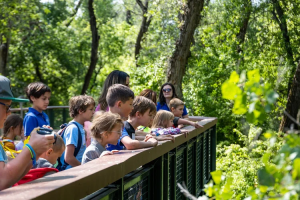
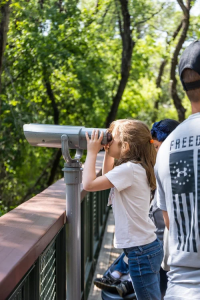
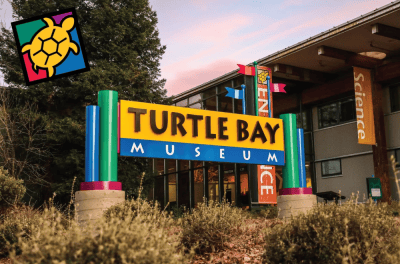
Turtle Bay Exploration Park is a fun, non-profit 300-acre gathering place featuring the Sundial Bridge, a museum, forestry & wildlife center, arboretum, and botanical gardens. At the gateway to the Sacramento River Trails, Turtle Bay celebrates far Northern California as part of the world we share. The education department at Turtle Bay Exploration Park aims to provide the environment needed to explore the world through science, art, history, and more. They promote life-long learning through fun, hands-on interactions, and enjoyment.


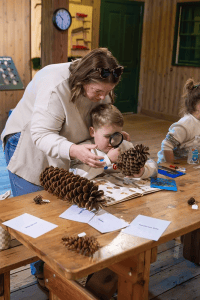
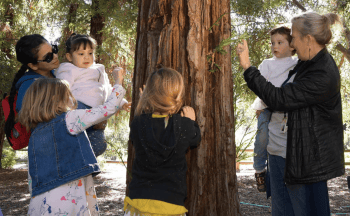
Turtle Bay Educator-led Exploration Classes offer interactive, informational, and inspirational experiences. These classes provide opportunities to practice, build on, and connect with Next Generation Science and other standards. All classes are 45 – 60 minutes long and your group may stay and enjoy the rest of the Park before or after your class. These field trip classes are offered September 2, 2026 through April 30, 2027, on Wednesdays – Fridays; 9:15 am – 12:00 pm. Exploration classes available include Life Cycles, Science Investigations, Exploring Trees, Nature Sketching, Laws of Motion Show, Colorful Coding, Aqua Ecology, Wintu Ways, Engineering Design, and Earth Rocks.
Turtle Bay’s Animal Classes are very popular and available in-person and virtually! Virtual classes are live web programs for students to view in the classroom or at home. Each class is interactive, contains live animals, and is tailored to fit the State Content Standards for each grade listed. All classes are one hour long (40 min & 15 min Q&A) and your group may stay and enjoy the rest of the Park before or after your class. These classes are offered October 9, 2026 – February 12, 2027, on Fridays at 10:00 am. Animal classes offered include Nocturnal Animals, Forest Animals, Animals in Action, and Survival.

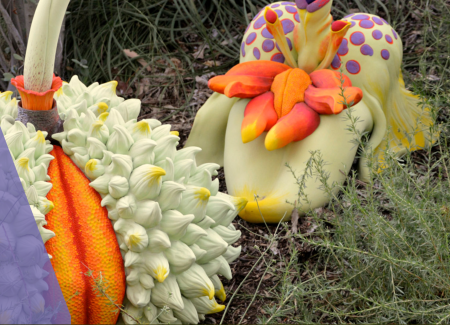
Classes in the Gardens are another wonderful way to explore Turtle Bay. Students can explore the plants, trees, and other features of the Botanical Gardens with one of the horticulture specialists. Each class is tailored to support the State Content Standards. All classes are one hour long and your group may stay and enjoy the rest of the Park before or after your class. The Classes in the Gardens are offered September 2, 2026 – October 29, 2026 & February 3, 2027 – April 29, 2027, on Wednesdays and Thursdays at 10:00 am. Classes in the Gardens offering include Plant Adaptations, All About Seeds, Plant Life Cycles, and Pollination.
The Museum Art Gallery Experience (MAGE) offers students an interactive arts and cultural learning opportunity. This year’s featured exhibition, the West Coast Biennial Juried Art Exhibition, will feature over 40 unique mixed-media artworks submitted by artists all along the west coast including Alaska, Washington, Oregon, and California! After a tour and discussion of the exhibition, students will get to do a hands-on art activity that relates to one of the common themes in the gallery. Classes are one hour long and your group may stay and enjoy the rest of the Park before or after your class. Available January 29, 2027 – April 16, 2027, on Wednesdays – Fridays; 9:15 AM – 12:00 pm.

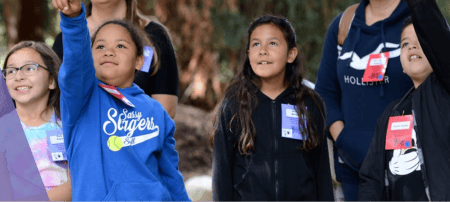
Turtle Bay Exploration Park also offers Discovery Camps. These camps are an opportunity for 7-12-year-olds to participate in various science activities, crafts, games, and more! At Turtle Bay, they encourage interactive and hands-on learning that builds on prior knowledge. They encourage campers to try new and different activities and experiments. Sequential days will build off the previous day’s work as they explore science, arts, and the surrounding natural world. Throughout the week, campers will also have opportunities to attend Turtle Bay programs, visit the Parrot Playhouse, enjoy the playgrounds, and explore our exhibitions, gardens, and more. Camps available include Fall & Winter Camp in November and December, Summer Camp, and Extended Care.

There is a program for the little explorers too. Little Explorers aims to provide an exemplary, developmentally appropriate early childhood program for children ages 5 and under and families. They work to create a learning environment that models best practices for high-quality early education experiences for young children and provide opportunities for parents and caregivers to observe and learn. The philosophy is based on constructive theories in which children construct their own knowledge through active learning. This play-based environment encourages children to explore, discover, investigate and create. The curriculum and materials are relevant, meaningful, current and purposeful to encourage children’s social, emotional, physical and cognitive skills.
Sensory Hour at Garden of Lights is an inclusive program for individuals with Autism Spectrum Disorder and other sensory processing needs to enjoy the Garden of Lights with their families. From 4pm – 5pm, registrants will get to experience over a million lights with limited capacity and decreased volume. All participants have the option to enjoy hot chocolate and s’mores before gates open to the public at 5pm and are welcome to stay until the Gardens close at 9pm. 
Each year Turtle Bay sees a variety of homeschools, alternative schools, and independent study groups from all over the northern California area. If you belong to one of these groups, take a look at the options available. Additional programs include Family 2nd Saturday, Science Saturday, and Art Lab Saturday.

Turtle Bay’s Lending Library offers classroom kits from various curriculum sources including GEMS (Great Explorations in Math & Science), Project Learning Tree, Growing Up Wild, and more. Lending Library subscribers may check out kits that come fully stocked with materials for a classroom of up to 32 students to implement the lesson plans. Activities are perfect for the classroom, afterschool programs, or camps. Subscriptions are available for a yearly fee of $40. Subscribers may check out an unlimited number of kits.
Check out the Turtle Bay Exploration Park website for more detailed information about all these wonderful educational opportunities in Redding.

CBP Feature for October 2026

The California Botanic Garden in Claremont, is the largest botanic garden dedicated to California native plants, promoting botany, conservation and horticulture to inspire, inform and educate the public and scientific community about California’s native flora. Accredited by the American Alliance of Museums, the Garden is a living museum with curated collections of more than 22,000 California native plants, some of which are rare or endangered. Spread across 86 acres, the Garden is located approximately 35 miles east of Los Angeles. The Garden displays about 1170 taxa of California plants and includes those native to the California Floristic Province.


The California Botanic Garden offers several educational programs for schools. Schools can choose a Self-Guided visit or a Guided School Visit, both available to all grade levels. The Guided School Visits are led by Volunteer Garden Guides who introduce, demonstrate, and reinforce ideas included in K-8 Common Core standards and Next Generation Science Standards. The primary grade (TK-2) tours are offered on Tuesdays. TK students learn about living things in It’s Alive! as they tour the garden, while Kindergarteners participate in The Big Green Machine: Plants and their Ecosystems and learn about energy and how plants support life on earth. First graders also study plants in Plantastic! What Makes a Plant, a Plant, while 2nd graders participate in Surviving and Thriving: Pollination and Seed Disposal to learn about plant reproduction from pollination, to setting fruit, and producing seeds. Teachers are provided an overview of the programs so they know exactly what the students will study and explore.


Thursdays welcome 3rd to 6th grade students for guided programs. Third and fourth graders participate in Web of Life: The Study of Ecological Relationships and Diversity of Life. They study energy flow from the sun through an ecosystem. Fifth and sixth graders participate in Adaptation and Survival: A Quest for Success. They explore how plants and animals adapt to
survive in different habitats. Teacher preparation materials are provided. The Botanic Garden offers guided tours for middle and high school students upon request and based upon staff and volunteer availability. Additionally, home school, scouts, and day camps can also request tours.

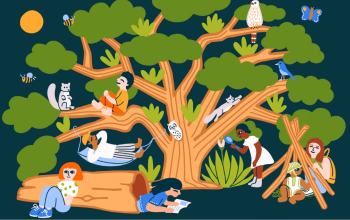
The Children’s Woodland debuted this past spring 2026 and is a unique space within California Botanic Garden where children can explore native habitat, engage in imaginative play, and make a lifelong connection with nature. While the Woodland is not a playground in the traditional sense, the space currently features open space for creative play, balance logs and stumps, sticks and other items for building, rocks and rock fountains for climbing and water play, hammocks for relaxing, a stump circle for reading and gathering, a sensory plant circle for touching and smelling, and benches and picnic tables for resting and connection. Like other natural spaces, the Children’s Woodland will change with the seasons and the years, so watch for new installations in the future!

The California Botanic Garden supports learning at home and has created interactive worksheets for students and their families to enjoy. The worksheets are downloadable and offered in English and Spanish. 

Public programs for adults, seniors, youth groups, and college classes are also offered as A Walk in the Garden is always a New Adventure. Participants can discover new sights, sounds, and experiences with a guided tour. The Botanic Garden hosts events and classes throughout the year that celebrate, enrich, and explore our connections to California native plants and the larger natural world. Visit their event page to see what is coming up next.

CBP Feature for September 2026

The vision of YES, Nature to Neighborhoods is for Richmond youth, adults and families to lead healthy, connected lives; motivate change in their neighborhoods; and inspire a safe, thriving community. YES Nature to Neighborhoods was founded on the belief that positive experiences in nature are a catalyst for individual and community transformation. Their work focuses on cultivating leadership, increasing access and breaking down barriers for those excluded from the outdoors, reclaiming a connection to the earth, and creating brave spaces that foster cross-cultural relationships. Their organization values inclusion, intentionality, effective communication, integrity, a holistic approach, equity, and diversity.

YES Nature to Neighborhoods offers programs for youth from childhood through young adulthood. The Explorers Program for 8-10 year olds, offers new experiences that nurture children’s leadership skills through hands-on learning in the natural environment. Through after-school workshops and weekend outings, Explorers grow their social- emotional skills and engage in environmental education and critical thinking. Explorers participate in outdoor experiences like learning center visits and one overnight camping trip. They can also participate in YES’s Summer, Family, and Winter camps.
The Rangers Program for youth ages 11-13, continues to build social-emotional and outdoor skills while learning about the natural environment, environmental stewardship, and responsibility to the community. Rangers participate in biweekly workshops and continue to develop a sense of belonging in and connection to the outdoors through adventures like hiking, fishing, kayaking, and camping.

The Adventure Crew for youth ages 11-13, is a 10-month environmental program co-led with the East Bay Regional Park District (EBRPD). While exploring a variety of parks and outdoor landscapes across the region, the group emphasizes challenge-by-choice through a variety of outdoor experiences, culminating in a three-night, self-supported backpacking trip. The Adventure Crew meets every other Saturday, and members may also participate in the Rangers cohort.
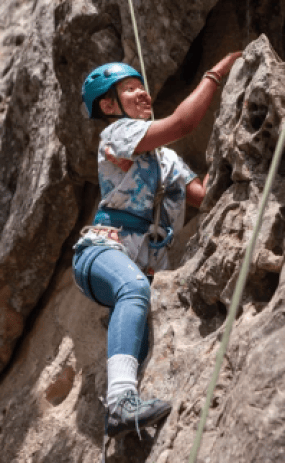
The Youth Engagement Team (YET) is a program designed for youth ages 14-15. Teens grow from campers into community role models and advocates. YET members build leadership skills by mentoring younger participants, exploring health and wellness, and leading community improvement projects. YET leaders can also participate in outdoor excursions such as rock climbing, mountain biking, kayaking, hiking, and camping. Through these experiences, they develop and pursue personal goals, become more confident in their voice, learn about local issues, and gain skills to make community improvements.

In the Coastal Conservation Corps, youth ages 16-18, continue to practice stewardship and civic action, learning about environmental justice, climate change, and conservation science, focusing on the health of local waterways. This is done through bi-weekly workshops, educational day and overnight trips, local advocacy, and access to recreation and leadership opportunities. Teens are supported to identify and pursue goals, graduate high school, and access scholarships, internships, and job opportunities to successfully navigate young adulthood and as empowered leaders.
Additionally, YES Nature to Neighborhoods offers Family Camp which cultivates self-awareness, connection to nature, and strong bonds. At Family Camp, parents and caregivers and their children build cross-generational and peer-group relationships, become inspired to engage in their communities, and connect with the solace, joy, adventure, fun, and opportunities for growth that nature provides. 
Visit the YES Nature to Neighborhoods website to learn more about their amazing programs!

CBP Feature for August 2026

Since 1989, Web of Life Field (WOLF) School has been dedicated to providing engaging and impactful educational outdoor experiences for California’s K-12th grade students and families. They believe in the transformative power of outdoor experiences, and are committed to designing immersive programs that connect youth with nature, empower individuals, and strengthen communities. Through lessons and activities that make learning fun, WOLF School gives teachers the opportunity to enhance classroom curriculum, and gives students the chance to gain knowledge, awareness, and respect of their environment, their community, and themselves. Education is one of their key values and they believe knowledge is power, and that by becoming a life-long learner and continuously educating oneself each individual can make a positive difference for the betterment of themselves and their world.

At Web of Life Field (WOLF) School, they believe that youth thrive outdoors! Their K-12th grade residential outdoor education and team building programs inspire California’s students to explore, discover, and learn through exciting field study activities, group building initiatives, fun songs, active games, and living together in a community. Programs are led by professionally-trained naturalists at stunning camps throughout California, are California State Standards-based, and support Next Generation Science Standards (NGSS), giving students the opportunity to make hands-on connections between classroom learning and the world around them in a safe and positive outdoor environment.

WOLF School is unique in their ability to offer any of their educational outdoor programs at multiple professionally-maintained camps in beautiful locations throughout California. From the central coast’s soaring redwood forests to the majestic reaches of the Sierras, with campuses as far north as Sonoma County and south to the San Bernardino Mountains, educators can choose the site that best suits their group, and get ready for a remarkable experience! Their four campuses include Camp Monte Toyon in the Santa Cruz area, Camp Arroyo in the East Bay, Camp Sea Lab in the Santa Cruz and Monterey area, and Camp Loma Mar in the Bay Area.
During WOLF School’s Outdoor Science School program, educated naturalists lead students in scientific field studies where students can explore, discover, and learn about the natural world through fun activities on the trail and in remarkable outdoor environments. Their naturalists are experts at taking material taught in the classroom and creating supplemental curriculum for the outdoors, and field studies can be tailored to teachers’ particular subject interests or state standards for a specific grade. Let them know what your interests are and they will create an unforgettable California science camp experience for you and your students!

The Camp Sea Lab programs fosters lifelong excitement, scientific understanding, and stewardship of our coasts and ocean by providing quality marine-oriented programs that promote science, education, and adventure for youth. Located in Monterey Bay, Camp SEA Lab offers high-quality outdoor school and summer camp programs to educate and inspire the next generation of ocean stewards. Camp SEA Lab is dedicated to helping children explore the wonders of the marine environment from the top of the watershed to the bottom of the deep sea as they gain a greater appreciation for what science can teach them about our world and the importance of being good stewards for the ocean.
WOLF School offers wonderful programs with a very dedicated staff. Visit their website to learn more or to make your school’s reservations for the coming school year.

CBP Feature for July 2026

The Wildlands Conservancy Wind Wolves Preserve is in an ecologically unique region where the Transverse Ranges, Coast Ranges, Sierra Nevada, western Mojave Desert and San Joaquin Valley influences converge. For more than 30 years, the Wildlands Conservancy has worked to preserve the beauty and biodiversity of the earth and to provide programs so that children may know the wonder and joy of nature.

Due to elevation ranges from 640 to 6,005 feet, the Wind Wolves Preserve has an impressive array of landforms and habitats that serve as a critical landscape linkage and wildlife corridor between the Coast Ranges and Sierra Nevada. The 93,000 acre preserve offers more than just breathtaking views – it’s a sanctuary for wildlife, a place for refuge for the spirit, and most importantly, a classroom under the sky.

On the San Joaquin Valley floor, the Preserve is a 30-square-mile veritable sea of grasslands with remnant stands of saltbush. These grasslands are home to the endangered San Joaquin kit fox and blunt-nosed leopard lizard as well as one of the largest stands of the endangered Bakersfield cactus. The Preserve’s main wetland is home to the Buena Vista Lake ornate shrew—one of the most endangered mammals in the United States. Rolling grasslands rise from the valley floor, transitioning into classic California blue oak and valley oak savanna with extensive riparian wetlands. The oak savanna ascends into juniper and pinyon forests that vault into stands of ponderosa pine and big cone spruce.

Volunteers have played a major role in working with staff to restore this heroic landscape. Fourteen years of monthly work parties have removed invasive tamarisk from 30 miles of stream channels. Volunteers have made miles of boundary fencing antelope friendly, as well as make kit fox dens for the recruitment of kit foxes. And volunteers through school, family work parties, and collaborating organizations have planted tens of thousands of native trees and shrubs. The preserve includes the entire San Emidio Land Grant, once owned by John C. Fremont. Wind Wolves’ rich cultural history includes some of the most noteworthy Native American rock art in North America.

Wind Wolves Preserve offers students and families opportunities to hike, bike, picnic, view wildlife and wildflowers, go birdwatching, and camp. Free School Programs and public programs are available. They promote a Leave No Trace philosophy asking visitors to pack out what they pack in. They encourage respect for all wildlife and to learn through observation. They also ask for everyone to be courteous to others so everyone enjoys their outdoor experience
For many children, the first time they spot a majestic hawk soaring above or uncover the delicate pattern of animal tracks along a trail, something awakens. These moments of wonder spark not just curiosity but a profound connection — one that The Wildlands Conservancy believes can grow into a lifelong passion for conservation. Each year, Wildlands naturalists and docents lead free outdoor education programs at Wind Wolves Preserve for thousands of school children from across Kern County. Targeted to public schools in underserved and under-resourced communities, this is more than just a field trip — it’s a rite of passage, a transformative experience that fosters a connection to nature and inspires a love for the Earth.
“The Preserve is a place for learning, but also a place to feel peace, it’s a refuge.”
For Sherryl Clendenen, biologist and outdoor educator who worked for Wildlands from 1998 to 2015, Wind Wolves Preserve was the perfect venue to integrate science and history into the lives of local students in a way that made learning come alive. As a child, Sherryl had struggled with traditional forms of learning—textbooks and classroom lectures left her feeling disconnected from the material. Fortunately for Sherryl, her father understood the real world was the best teacher and he took her outdoors, where nature became her classroom. This hands-on learning shaped her philosophy and later guided her work at Wind Wolves Preserve, where she built the outdoor education program from the ground up.
Sherryl’s early experiences taught her something profound: humans are not separate from nature, but part of it. She remembers learning in school that human activity caused many environmental issues, leading her to believe the only way to save the wilderness was to keep humans away. But when she was outside with her father, she saw things differently. Being immersed in the wild didn’t lead her to fear human impact; instead, it taught her to love and respect nature. Sherryl sought to pass on these same lessons through the outdoor education program at Wind Wolves Preserve, which has welcomed over 210,000 local students since it originated in 1998.

Today, Wildlands has expanded its Outdoor Discovery Program to serve students throughout the state of California across its Preserve system, offering schoolchildren and families the chance to build that deep, personal relationship with nature. Our naturalists, rangers and docents understand that education isn’t just about facts and figures; it’s about fostering relationships —with the land, with the plants and animals, and with each other.

To save the environment, “Sherryl believes, “we must have a connection to it, a love for it.” This belief is woven into the fibers of Wildlands Outdoor Discovery Program, which aims to inspire not just knowledgeable individuals, but future stewards of the Earth.

CBP Feature for June 2026

Inside the Outdoors is a unique and hands-on environmental education program serving over 120,000 participants per school year. Its mission is to empower students, teachers, parents and the community to explore natural areas and expand their knowledge, understanding, and stewardship of the environment through their Field Trips, Traveling Scientist, and Community programs.
The curriculum created for their programs supports current California academic standards and allows students to interact with these concepts in a real world setting. Inside the Outdoors has been a leader in hands-on science and social science programs since 1974, is administered by the Orange County Department of Education, and is a self-supporting program. 
Inside the Outdoors offers programs for students of all ages that Nurture a Natural Curiosity. Their Preschool/TK programs provide a hands-on opportunity for students in preschool to develop an awareness and appreciation of the sciences through the exploration of the animal kingdom. In addition, the program fosters a commitment to the protection and understanding of the environment and community.

The Traveling Scientist programs are designed for each grade level, Kindergarten through high school. For example, students in the 2nd grade study habitats while students in the 5th grade study food webs. Middle school students may study sensory structures in animals, investigate microorganisms in wastewater, or the impacts of human land uses on watersheds. High school students may study renewable energy or sea level rise
 Inside the Outdoors also offers Traveling Scientist programs for the Expanded Learning Opportunity Program such as Amazing Animals, Renewable Energy, and Rethink Resources. In addition to the Traveling Scientist Program, students may also participate in Field Trips at various locations around Orange County including Shipley Nature Center, Wild Wetlands, Crystal Cove, or Irvine Regional Park. All of their programs are designed to be hands-on and provide an opportunity to engage with the natural world.
With the school year coming to a close, Inside the Outdoors is preparing for Summer Day Camp 2026 at Shipley Nature Center. Children experience unique activities that incorporate science, fun, learning, and being outdoors​. Summer Day Camp is geared toward campers age 6 to 12 years old, with leadership and camp opportunities for campers age 13-17.  Each week of summer camp will have themed daily activities that are science/nature based that also include a daily nature journal prompt and a take-home craft.

Inside the Outdoors also designed some Community Programs and Virtual Programs to meet the wide range of needs of the community. For more information about Inside the Outdoors programs, call 714-708-3885 or email insidetheoutdoors@ocde.us.

CBP Feature for May 2026

The mission of the San Francisco Zoo & Gardens is to connect people with wildlife, inspire caring for nature and advance conservation action. The San Francisco Zoo is designed with the underlying belief that nature-focused interaction leads to conservation action. Learning about animals here inspires visitors to care for all wildlife.
Nestled against the Pacific Ocean, the San Francisco Zoo is an urban oasis. It is home to over 2,000 exotic, endangered and rescued animals representing more than 250 species and lovely peaceful gardens full of native and foreign plants and is open 365 days a year
The majestic Leanne Roberts African Region and the Valentine Family Savanna offer a multi-species landscape with giraffes, zebras, kudu, ostriches, storks, and more. At Hearst Grizzly Gulch, visitors can get nose-to-nose with rescued grizzly sisters Kachina and Kiona. Lemurs leap through the Lipman Family Lemur Forest, the largest outdoor lemur habitat in the country. Penguin Island is home to the largest colony of Magellanic penguins outside of the wild. The Zoo’s troop of gorillas lives in the lush Jones Family Gorilla Preserve. Farm animals for feeding and petting can be found in the popular Fisher Family Children’s Zoo. The historic 1921 Dentzel Carousel and the 1904 miniature Little Puffer steam train are treasured by generations of visitors. And the reimagined Elinor Friend Playground offers accessible playtime for all ages. The SF Zoo offers an engaging experience for its guests, including fun rides, educational programs and exciting events throughout the year. The SF Zoo is proud to be accredited by the Association of Zoos and Aquariums (AZA).
The evolution of the San Francisco Zoo into what we know today has been one of steady progress towards a primary mission of conservation. The San Francisco Zoological Society’s highest priorities are providing quality animal care, advancing wildlife conservation, and educating visitors about nature by connecting them with animals. They hope to inspire their guests to connect with wildlife by creating naturalistic new habitats, renovating older exhibits, providing animals with a vast array of stimuli and behavioral enrichment opportunities, and presenting unique opportunities through which to experience nature.

SF Zoo offers a variety of educational programs for different age groups and levels. School field trips are offered between the months of September through May, with classroom teachers and chaperones in attendance. SFUSD school field trips are free and with discounted rates available for non-SFUSD schools. The Zoo website has fun, science-based activities that can be used as pre-visit lessons to build student excitement prior to the field trip.
With programs like Little Learners and Zoo Camp, there’s so much for your little one to learn!  Zoo Camp is a week-long program (M-F) that focuses on conservation, animal activism and hands-on art and science. Camp families can sign up for 1 or 2 weeks of animal/habitat exploration and wildlife fun with the team at SF Zoo and Gardens!
Teacher Resources: Whether you need to prepare your students for a Zoo field trip or need an activity for your homeschooler, they have you covered. Designed to enhance lessons in biology, zoology, and ecology, these resources will help connect your learners to wildlife. The Zoo has prepared Exhibit Exploration Guides to offer suggestions on how to interpret various life science topics while viewing the exhibit. Find out how you can talk about habitats, adaptations, and animal behavior while enjoying the sights and sounds of animals in the exhibits. They also offer Zoo Vocabulary, Zoo Field Trip FAQs, and supplemental resources such as books and websites to explore.
The San Francisco Zoo also offers many volunteer opportunities for youth and adults. The Animal Rescue & Conservation Center (ARC) is a training ground for future ecologists, conservationists, biologists, zoologists, and animal care staff through its teen volunteer programs. The animal ambassadors play a key role in connecting their guests with wildlife. Youth ages 12-14 can become a Nature Trail Volunteer helping educate visitors. Youth ages 15-17 can become ARC Junior Zoologists and assist with animal husbandry or become Leadership Fellows helping with Zoo Camp and teaching younger children.

Adults can volunteer to become Docents. Docents support the Zoo’s mission by engaging guests in conservation education through informative talks, biofact presentations, and sharing the Zoo’s conservation initiatives while out at our exhibits. Speaking about the animals and their wild counterparts inspires their guests to celebrate their animal ambassadors, protect wildlife in their natural habitats, and engage in independent conservation action. Adult animal care volunteers offer support in the ARC, Children’s Zoo, or the Insect Zoo. The opportunities to get involved are numerous.
If you haven’t visited the San Francisco Zoo lately, or perhaps you’ve never visited, then you might consider an upcoming trip. Enjoy all the wonders the zoo offers!

CBP Feature for April 2026

Joshua Tree National Park was elevated to national park status in 1994 as a part of the Desert Protection Bill, having been designated the Joshua Tree National Monument since 1936. The bill added 234,000 acres which now stands at 792,623 acres, of which 591,624 is designated wilderness. Joshua Tree NP protects the unique assembly of natural resources brought together by the junction of three of California’s ecosystems: the Colorado Desert, the Mojave Desert, and the Little San Bernardino Mountains. The plant and animal diversity are unique along with some very interesting geologic features.

Joshua Tree NP provides the perfect outdoor setting to enhance classroom-based learning. You can visit on your own or have a ranger join you for an outdoor education program. All ranger-led education programs are curriculum-based (California State Education Standards, NGSS) and free of charge.
Field Trips: The Preschool and Kindergarten program is Who Lives in a National Park and explores the plants and animals who make the desert home. Early Elementary programs include Junior GeoKids and Exploring a Desert Habitat while the Upper Elementary programs include Geokids and Keys to the Past. Programs are also available for Middle and High School students and include Tune In to Tracking, Joshua Tree Monitoring, and Issues in Park Management. This brief video gives students tips on How to Prepare for Your Field Trip.

Virtual Field Trips: Educators anywhere can schedule a virtual field trip lasting 30-45 minutes. Teachers can choose from Plants and Animals, Draw JT, Geology of JT – Rocks and Minerals or Weathering and Erosion. These are offered free of charge and must be requested in advance. Virtual field trips support NGSS and are offered for all grades Preschool and Kindergarten through high school.
Guest Speakers: A ranger can visit your classroom to lead students activities relating their study of the sciences to Joshua Tree National Park! There are topics for all grade levels. Teachers should coordinate with each other to serve at least three classrooms during the ranger’s visit.

Joshua Tree NP provides curriculum resources and a number of lesson plans and activities for educators to use. The Joshua Tree NP staff also offers professional development workshops for teachers through the Desert Institute, the educational branch of the Joshua Tree NP Association. They offer a variety of field courses in natural science, cultural history, recreation, and the arts. Programs are taught by experienced instructors. Please see the Desert Institute’s website for their current schedule of classes.
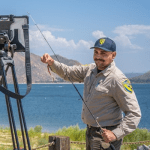
The Joshua Tree NP offers children the opportunity to become a Junior Ranger. “Explore, Learn, Protect!” The Junior Ranger motto is recited by children around the country—each taking an oath of their own to protect parks, continue to learn about parks, and share their own ranger story with friends and family.
Take a few minutes to learn more about the Joshua Tree National Park and all the services and experiences it offers. Spring is an amazing time to visit the desert!

CBP Feature for March 2026

The California Department of Fish and Wildlife offers a variety of educational and outreach programs for all ages and audiences in classrooms, at their hatcheries and visitor centers, on their lands, and online. Their programs cover topics such as coastal and marine education, climate change, environmental sustainability, land ecosystems, and watershed education.


The Classroom Aquarium Education Program (CAEP) is a hands-on, science-based education initiative for grades K-12. CAEP will improve teacher and student understanding, appreciation, and stewardship of fish populations and their ecosystems, while creating an awareness of the needs of the aquatic environment through the use of classroom aquaria. With the support of regionally based community organizations, students throughout California have the unique opportunity to hatch and raise Chinook salmon, steelhead trout, rainbow trout and and other salmonids in their classrooms, then release fry into nearby approved water bodies. CDFW, along with community partners, works to enhance classroom educational experiences through the hatching and raising of salmon, steelhead, and rainbow from the egg to the fry stage.


The CAEP website hosts a variety of teacher resources including webinars, videos, curriculum guides, field trip guides, posters, handouts and worksheets, and tank setup and care. The curriculum and program resources listed are recommended to assist CAEP teachers with concepts such as life cycles, aquatic habitats and watersheds, fish survival needs, climate change and human impacts. In addition to classroom resources, they encourage teachers to take their classes on visits to watersheds, rivers, streams, fish hatcheries, fish ladders, or habitat restoration projects to observe the concepts and practices learned through CAEP in action.
Join California Department of Fish and Wildlife interpreters and scientists for a deep dive into aquatic ecosystems and fish during this fun webinar series designed for early elementary school aged students. Teachers and students are encouraged to come prepared with questions to ask the scientists during the Q&A portion of this live program.

CBP Feature for February 2026

One Cool Earth is a non-profit organization with programs in San Luis Obispo and Santa Barbara Counties rooted in the belief that every child deserves a place to grow. They support lifelong wellness and environmental stewardship for families and youth from birth through young adulthood, cultivating a thriving, resilient community – one garden at a time. Their School Garden Program works with schools to champion garden education as a way of teaching students hands-on skills, science, nutrition, technology, and environmental literacy.
Using school garden spaces as living laboratories, they provide NGSS-aligned science, nutrition, and nature-focused education at SLO County public schools. The Garden Program offers two tiers for schools to choose from along with numerous add-ons, including garden lunch club, family cooking nights, seasonal farm stand, waste audits, summer garden care, and virtual or in-person field trips.


Play Grove is a garden-based enrichment program designed for 3-5 year olds located in San Luis Obispo at their central garden on Laureate Lane. As an extension of One Cool Earth’s seasoned learning model, they know that children grow best when learning outside through play. They are a nature-based and place-based enrichment program. This means they use the environment as a guide as they play, grow, create art, garden, and learn together.  Play Grove allows young children to access this experience alongside enthusiastic playguides in a nature-based environment.
Since 2020, One Cool Earth has proudly partnered with Atascadero Unified School District (AUSD) to steward and grow the district’s 1.5-acre farm—a dynamic and educational space that serves both students and the broader school community. The AUSD farm is home to 60 thriving dwarf fruit trees, native pollinator gardens that support local biodiversity, and abundant growing beds and rows that produce seasonal fruits and vegetables. This year, they partnered with the local Resource Conservation District to plant over 100 natives onsite! Most of the harvest is integrated directly into school lunches through AUSD Food Services, providing students with fresh, hyper-local produce.
Each week, high school students engage in hands-on agricultural education through Career Technical Education (CTE) programming, working alongside their experienced farm manager. From planting and harvesting to soil building and crop processing, students gain valuable skills in sustainable agriculture, food systems, and environmental stewardship. They also offer elementary school farm field trips!
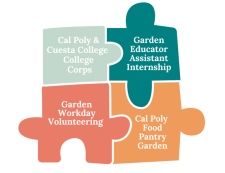
Brief nature experiences, even as short as 10 minutes, have been shown to significantly improve mood and reduce stress among college students. As part of their commitment to supporting youth through every stage of their educational journey, One Cool Earth’s College Mentorship Program provides meaningful opportunities for early adults to grow as leaders, educators, and changemakers. We partner with Cal Poly, Cuesta College, and other institutions to engage students studying environmental science, agriculture, child psychology, and education.
Through internships, volunteer events, and mentorship opportunities – including support for the Cal Poly Food Pantry Garden—college students gain hands-on experience while contributing to our mission. This program is a key part of their vertical integration strategy, fostering a lifelong connection to environmental stewardship and youth wellness.
One Cool Earth also offers links to garden education resources for educators and parents plus other types of environmental education. Check out the One Cool Earth website to learn more.